
A cochlear implant is a life-changing solution for children with severe or profound hearing loss. In the United States, over 98% of U.S. newborns are screened, with around 1.7 per 1,000 identified as having permanent hearing loss. The eligible infants would go on to receive cochlear implants. And research consistently shows that implantation before 12 months of age is positively associated with earlier development of open-set speech recognition, the ability to understand speech without visual cues, and the exclusive use of oral communication in later years.
The evidence strongly suggests that early auditory access through cochlear implantation is essential for hearing. At the same time, it gives a child the foundational tools to develop spoken language, cognitive skills, and independent communication.
How Cochlear Implant Work?
For children with severe to profound hearing loss, the inner ear (cochlea) often does not function well enough to send sound signals to the brain. A cochlear implant works by completely bypassing the external and middle ear, damaged parts of the inner and directly stimulating the spiral ganglion cells, the primary auditory neurons whose axons form the cochlear (auditory) nerve, with electrical pulses. This gives the child access to sound in a way that traditional hearing aids cannot.
The Structure of a Cochlear Implant
- External Components (worn behind the ear):
- Microphone: Collects sounds from the environment.
- Speech Processor: Processes and encodes the sounds into digital signals.
- Transmission Coil: Transmitted the signals to the implant.
- Internal Components (surgically implanted)
- Receiver-Stimulator: Placed under the skin behind the ear, it receives the signals from the transmission coil
- Electrode Array: Inserted into the cochlea, it stimulates various parts of the cochlear nerve according to the signal.
The Working Principle of a Cochlear Implant
- A microphone collects sound.
- The speech processor processes, encodes, and digitizes sounds.
- The compiled signal is transmitted into the cochlear implant through the transmission coil.
- The receiving stimulator decodes the signal and converts it into a special electrical signal, which is sent to the electrodes in the cochlea through the wire.
- The electrode array stimulates different parts of the cochlea according to the frequency of the signal.
- The auditory nerve produces impulses and transmits them to the auditory cortex to produce hearing.
Once the electrical impulses reach the auditory nerve, they travel to the brain, which interprets them as sound. Over time, with rehabilitation and practice, the child can learn to recognize speech, environmental sounds, and even develop spoken language.
Children Experience
While the sound from a cochlear implant does not exactly mimic natural hearing, children’s brains are highly adaptable, especially when they receive the implant at a young age. With early exposure and proper therapy, most children are able to:
- Detect everyday sounds (e.g., footsteps, alarms, music)
- Understand spoken language
- Develop speech and communication skills
- Interact more fully in school and social environments
Why Early Cochlear Implantation Matters Beyond Hearing?
Understanding how a cochlear implant works helps explain how it gives a child access to sound. But hearing itself is only a minor point. When a child receives a cochlear implant at a young age, the benefits reach far beyond sound detection.
- Critical Period for Language Development
The human brain has a critical window in early childhood, roughly the first five years of life, when it is especially receptive to language input. During this period, the brain forms and strengthens the neural pathways responsible for processing speech and developing communication skills.
Children who receive cochlear implants as soon as they meet medical criteria for implantation—after careful evaluation of their condition—are significantly more likely to develop language abilities comparable to those of their hearing peers. When auditory stimulation is delayed, however, the brain may begin to reorganize itself to rely on other senses, making it more difficult for the child to achieve full oral language fluency later in life.
Timely cochlear implantation gives the brain the auditory input it needs during this critical phase, laying the foundation for speech, literacy, and learning.

- Better Academic and Cognitive Outcomes
Early auditory access allows the child to develop vocabulary, as well as executive functioning skills, like attention, reasoning, and problem-solving. It could be a decisive factor in long-term academic performance and educational placement.
- Enhanced Social and Emotional Growth
Language is for learning. And it is how children form relationships, express emotions, and develop a sense of self. Delays in hearing and language can lead to feelings of isolation, frustration, and difficulties in emotional regulation. And with the help of cochlear implants, children who are immersed in spoken communication environments are more likely to:
- Engage in social play with peers
- Understand and express emotions
- Build secure attachments and confidence
In summary, by providing access to sound during the brain’s most sensitive period for language learning, a cochlear implant lays the groundwork for communication, cognition, and emotional well-being that will shape the child’s lifelong potential.
Things to Know: Family Support and Rehabilitation
Receiving a cochlear implant is only the first step toward better hearing. Ongoing family involvement and structured rehabilitation are essential for maximizing the device’s benefits. After surgery, patients—especially children—need consistent encouragement and interaction from parents and close relatives. Everyday conversations, reading together, and creating sound-rich experiences help the brain adapt to new auditory input.
Professional rehabilitation programs further accelerate progress. Speech-language therapy, listening exercises, and regular follow-ups with audiologists refine sound recognition and communication skills. When families actively participate in these activities, recipients typically achieve clearer speech, stronger language development, and greater confidence in social settings. By combining advanced technology with attentive family support and systematic training, cochlear implant users can enjoy a fuller, more connected life.
Cochlear Implant Candidacy: Taking the US Standard as an Example
In the United States, candidacy for cochlear implant implantation in children is guided by FDA-approved criteria as well as evidence‑based clinical guidelines developed by leading professional organizations. These ensure that children who receive implants are appropriate candidates and have the best potential for meaningful benefit.
- As of March 2020, the U.S. FDA has approved cochlear implantation as early as 9 months of age for infants with bilateral profound sensorineural hearing loss (SNHL) who demonstrate limited benefit from appropriately fit hearing aids.
- For children aged 2 years and older (up to 17), candidacy extends to those with severe to profound bilateral SNHL and low speech-recognition scores when tested with hearing aids—typically ≤ 30% on the MLNT/LNT tests.
- Children with unaided pure-tone averages (PTA) > 70 dB HL and poor aided speech perception (e.g., ≤50%–60%) should be referred for cochlear implant evaluation, not necessarily delayed by a prolonged hearing aid trial.
- Infants younger than 12 months with confirmed profound SNHL should be evaluated quickly; no unnecessary delay is warranted when diagnostic evidence (e.g., ABR, ASSR) supports candidacy.
(For further details on cochlear implants candidacy, please undergo a comprehensive medical consulting.)
From Candidates to Technology: A Closer Look at the Nurotron CS-20A Cochlear Implant
Not every cochlear implant can be suitable for every child’s body structure. Children have smaller, developing skulls, which makes cochlear implant surgery more delicate. At the same time, they are in the most important phase for language learning and brain development.
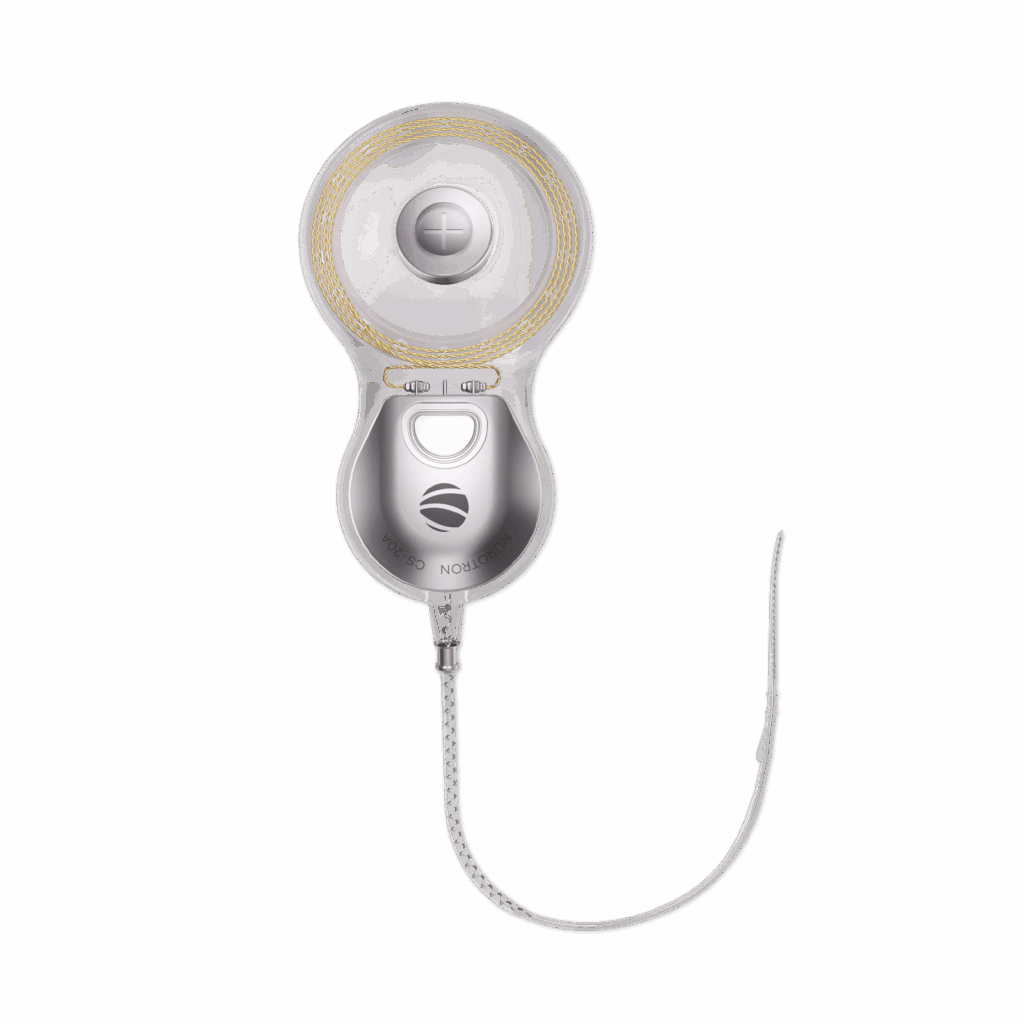
At Nurotron, their solutions are designed for kids’ cochlear implantations, such as Nurotron’s CS‑20A, which addresses both challenges by offering:
- A Compact Design
20% smaller than the previous CS‑10A model, reducing the need for extensive drilling. This results in less surgical trauma, shorter recovery time, and a safer procedure for children.
- Child-Adapted Curvature
The 15-degree curved electrode array is shaped to better conform to a child’s skull, making implantation smoother and reducing pressure on developing bone.
- Better Wear Resistance Performance
Nurotron’s engineering focuses on materials and structures that resist wear, ensuring the device stays secure and functions flawlessly despite continuous bending, stretching, and the physical changes that come with age.
- Coil Durability
Rigorous tests show the coil endures extensive bending, demonstrating exceptional durability and reliability on Nurotron’s CS-20A.
- Electrode Wire Stretching
Optimized electrode wires provide greatly improved stretch resistance, accommodating head growth while preventing over-stretching and electrode displacement.
- Custom-Fit Electrode Options: The CS‑20A offers 3 lengths of thin electrode arrays—TS, TM, and TL—which allow surgeons to choose the most suitable fit based on the individual structure of the child’s cochlea, ensuring both safety and optimal hearing outcomes.
Conclusion
For children with severe hearing loss or deafness, a cochlear implant can open the door to sound, speech, and connection—especially when done early. Understanding how the implant works, why early intervention matters, and what makes a child a candidate helps parents make informed decisions.
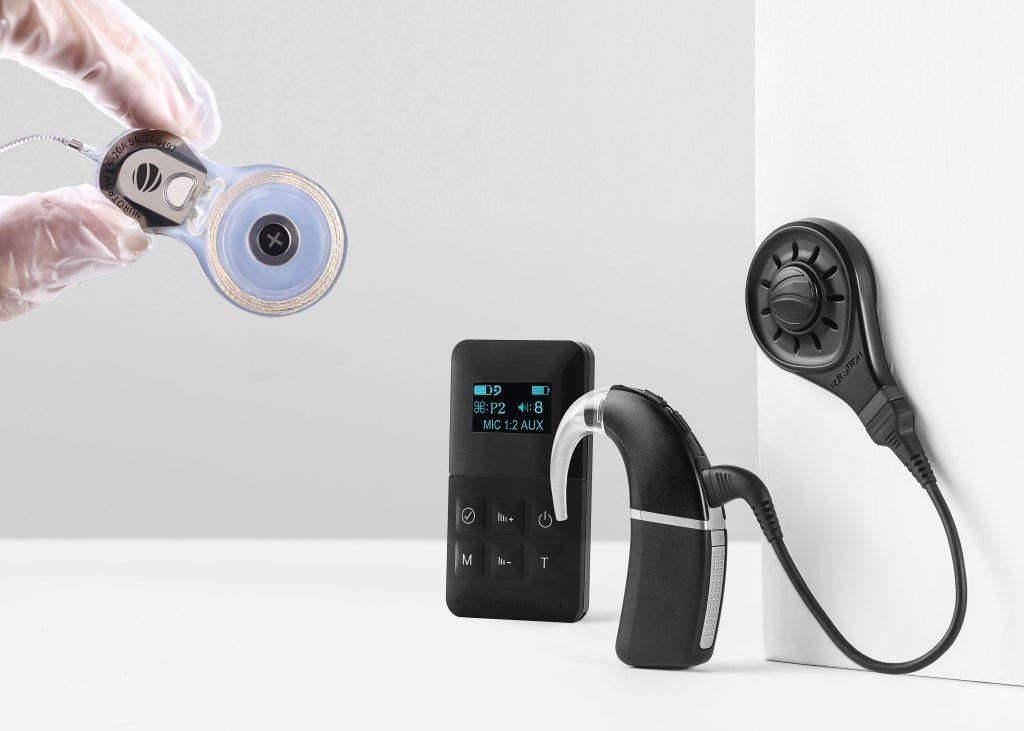
With advanced, child-friendly options like CS‑20A manufactured by Nurotron, families now have safer and more tailored solutions to support their child’s hearing journey. Early support leads to better language, learning, and life outcomes, and the right cochlear implant can make all the difference.
Reference
- https://www.cdc.gov/hearing-loss-children/data/index.html
- https://www.nidcd.nih.gov/health/cochlear-implants
- https://pmc.ncbi.nlm.nih.gov/articles/PMC3209960/
- https://pmc.ncbi.nlm.nih.gov/articles/PMC9913281/
- https://apps.asha.org/EvidenceMaps/Articles/ArticleSummary/663052bb-f564-ed11-813f-005056834e2b
- https://www.cochlear.com/us/en/professionals/products-and-candidacy/candidacy/cochlear-implant
