
When most people picture New York City, they imagine the fast pace of Times Square, the towering skyline of Manhattan, or the cultural vibrancy of Brooklyn. But beyond the city’s iconic landmarks lies a compassionate network of communities designed for older adults who want to enjoy independence while receiving the support they need — the world of New York City assisted living.
As the population ages and family dynamics evolve, more seniors and their loved ones are exploring assisted living options in New York City. These communities offer the perfect balance between independence and professional care, enabling residents to enjoy the energy of city life while having access to safety, comfort, and companionship.
What Is Assisted Living?
Assisted living is a residential option for older adults who need help with daily activities — such as bathing, dressing, medication management, or transportation — but do not require the intensive medical care provided by nursing homes. The goal is to create a supportive environment that enhances quality of life while maintaining as much independence as possible.
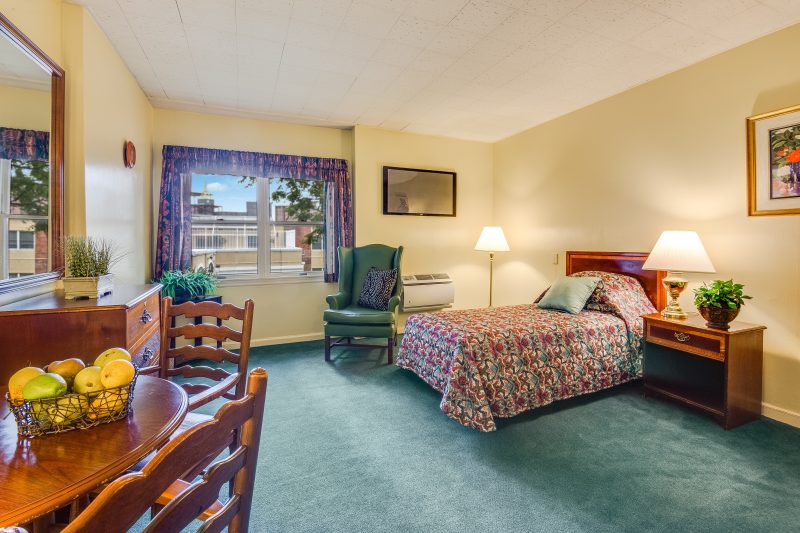
In New York City assisted living communities, seniors live in private or semi-private apartments, often with amenities such as communal dining, social activities, wellness programs, and 24-hour staff assistance. Residents can personalize their routines and enjoy social engagement, all within a safe and structured environment.
Why Choose Assisted Living in New York City?
Choosing New York City assisted living comes with unique advantages that reflect the city’s character — diversity, accessibility, and endless opportunities for enrichment.
- Cultural Access:
Living in New York City means being surrounded by world-class art museums, theaters, libraries, and parks. Many assisted living communities organize group outings to cultural landmarks like the Metropolitan Museum of Art, Lincoln Center, or Central Park. - Convenient Transportation:
The city’s extensive public transportation system and accessibility initiatives make it easier for seniors to stay mobile. Communities often provide shuttle services or partner with local ride-share programs for medical appointments or leisure trips. - Diverse Communities:
One of the hallmarks of New York City assisted living is its diversity. Whether residents prefer a Jewish, Italian-American, or multicultural community, there are tailored environments that reflect residents’ cultural traditions, cuisines, and languages. - Medical Excellence:
NYC is home to some of the best hospitals and healthcare networks in the world — including Mount Sinai, NYU Langone, and Columbia Presbyterian. Many assisted living communities maintain direct partnerships with these institutions, ensuring residents receive top-tier healthcare when needed.
The Range of Assisted Living Options in NYC
Because every senior has different needs, New York City assisted living communities come in a variety of styles and price points.
- Luxury Residences:
High-end facilities in Manhattan and Brooklyn offer hotel-like living with gourmet dining, fitness centers, rooftop gardens, and concierge services. These residences often attract retirees who want to maintain a city-lifestyle standard while ensuring access to care. - Mid-Range Communities:
In boroughs like Queens and the Bronx, families can find mid-priced assisted living options that provide essential care, community activities, and comfortable accommodations at a more affordable rate. - Memory Care and Specialized Support:
For seniors with Alzheimer’s or other forms of dementia, specialized memory care wings offer secure environments, therapeutic programs, and highly trained staff focused on cognitive health and emotional well-being. - Affordable and Subsidized Housing:
Recognizing the high cost of living in NYC, the city supports several affordable assisted living programs (ALPs) for eligible seniors. These programs combine Medicaid funding with residential services, helping lower-income residents access dignified care.
Life Inside an NYC Assisted Living Community
A day in a New York City assisted living residence might begin with yoga or tai chi in the fitness room, followed by breakfast with friends in the dining hall. Residents may participate in painting classes, computer workshops, or volunteer programs. Many communities host cultural celebrations, guest lectures, and group excursions — keeping life active, social, and fulfilling.
Beyond activities, emotional well-being is central. Staff often receive specialized training in communication, empathy, and dementia care. Family members can visit freely, and some communities even allow pets, recognizing how companionship enhances happiness and longevity.
What to Consider When Choosing Assisted Living in New York City
With dozens of communities across the five boroughs, choosing the right one requires thoughtful research. Here are key factors to evaluate:
- Location: Proximity to family, hospitals, and familiar neighborhoods.
- Level of Care: Whether the community provides personal care only, or includes skilled nursing, physical therapy, or memory support.
- Staff-to-Resident Ratio: A lower ratio often means more personalized attention.
- Reputation and Licensing: Always verify state licensing and read recent inspection reports from the New York State Department of Health.
- Costs and Contracts: Understand the monthly fees, service inclusions, and policies for transitioning between care levels.
Visiting in person is essential. Observe the staff’s demeanor, cleanliness, activity levels, and resident interactions. A warm and respectful atmosphere often speaks volumes about the quality of care.
The Cost of Assisted Living in NYC
The average cost of New York City assisted living ranges from $6,000 to $8,000 per month, depending on location, amenities, and level of care. While this is higher than the national average, it reflects the premium cost of urban living and the access to world-class services.
Many families offset expenses through long-term care insurance, veterans’ benefits, or Medicaid’s Assisted Living Program (ALP). Financial advisors specializing in senior care can help structure an affordable plan.
The Future of Assisted Living in New York City
As demand grows, the city continues to innovate. New communities are adopting smart home technology, AI-assisted health monitoring, and eco-friendly building designs to create safer and more sustainable environments. The future of New York City assisted living promises not only advanced care but also integration with the city’s dynamic culture — allowing seniors to age gracefully in the heart of the metropolis they love.
Conclusion
New York City assisted living offers far more than care — it provides a lifestyle filled with dignity, connection, and opportunity. For seniors seeking independence without isolation, these communities deliver the best of both worlds: personalized support within one of the most vibrant cities on earth.
Whether you’re planning for yourself or a loved one, exploring assisted living in New York City is a step toward a future where comfort, safety, and fulfillment coexist. In the city that never sleeps, there’s always room to live — and thrive — at every stage of life.
