
Key Takeaways
- Adopting AI and automation reduces repetitive tasks and maximizes recruiter-candidate engagement.
- Skills-based hiring breaks down traditional barriers and fosters inclusiveness.
- Data-driven hiring processes lead to smarter, fairer, and more predictable outcomes.
- Structured, consistent interviews minimize bias and improve the recruitment process for all involved.
- Optimized mobile application experiences cater to digitally savvy candidates, reducing attrition rates.
Table of Contents
- Embracing AI and Automation in Recruitment
- The Rise of Skills-Based Hiring
- Data-Driven Decision Making
- Implementing Structured Interviews
- Prioritizing Mobile-Friendly Application Processes
- Enhancing Candidate Experience Through Personalization
- Addressing AI-Driven Identity Fraud
- Future Outlook: Continuous Improvement in Candidate Experience
In today’s fast-changing job market, the way organizations engage with candidates can be just as influential as the opportunities they offer. With job seekers now empowered by technology and access to information, companies must move beyond traditional hiring methods and deliver an exceptional candidate journey. Integrating AI in recruiting automation helps streamline recruitment workflows, improve communication, and create more meaningful interactions that leave a strong, positive impression on potential hires.
Creating a thoughtful candidate experience not only attracts high-quality talent but also strengthens an organization’s employer brand and overall efficiency. Today’s applicants expect timely updates, transparency, and personalized engagement throughout the hiring process. Businesses that adopt modern solutions such as AI in recruiting automation can meet these expectations more effectively, transforming their recruitment strategy into a powerful competitive advantage in an increasingly demanding talent market.
As organizations update their recruitment strategies, they are witnessing a shift toward skills-based hiring, greater use of data, and a growing focus on fairness and accessibility. These trends ensure that potential employees feel valued and respected, which positively influences their decision about where to work and what to say about your brand, regardless of the outcome of their application.
Ensuring that your hiring approach reflects an understanding of diversity, technology, and modern job search behaviors is essential to ongoing success. Top hiring brands continuously assess their candidate experience to ensure it meets and exceeds expectations, laying the foundation for a strong organizational culture. For more insights on candidate experience, major outlets like SHRM provide in-depth research and actionable guidance.
Embracing AI and Automation in Recruitment
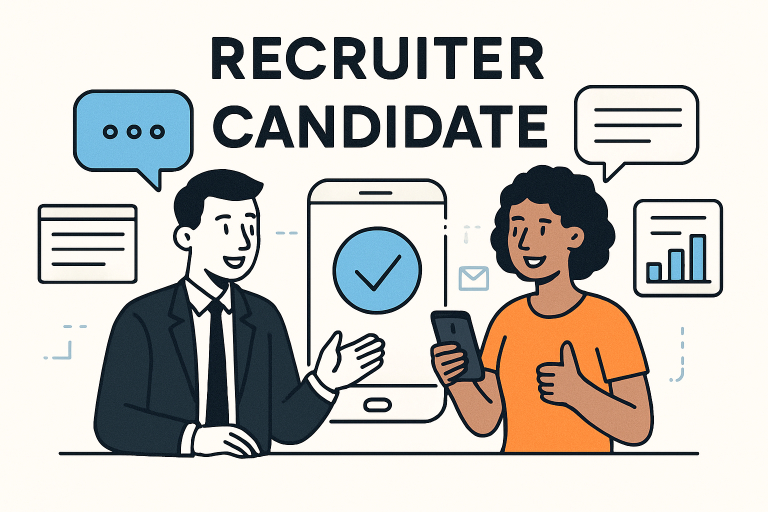
AI and automation are fundamentally transforming recruitment, making talent acquisition faster, more accurate, and more engaging for candidates. Tasks like resume parsing, interview scheduling, and communication can now be performed with remarkable efficiency, giving recruiters more time to connect with applicants in meaningful ways. Industry reports indicate that nearly all hiring managers incorporate some form of AI into their workflows, a trend expected to increase as automation capabilities advance. AI-powered chatbots, for example, can answer candidate queries instantly, and recruitment platforms can provide feedback and updates, ensuring no candidate is ever left in the dark.
The Rise of Skills-Based Hiring
Relying solely on degrees and years of experience can exclude capable candidates who might excel in the role. Skills-based hiring reverses this focus, prioritizing what candidates can do rather than which credentials they hold. This trend helps companies broaden their recruitment net, reaching diverse, potentially untapped talent. A considerable shift toward skills-based evaluations has been driven by the realization that practical knowledge and adaptability are critical to success in today’s dynamic workplace. Organizations are increasingly designing assessments and interview scenarios to measure the actual abilities needed for each position, resulting in teams that are both diverse and highly capable.
Data-Driven Decision Making
By leveraging data analytics, hiring teams gain deep insights into process effectiveness and outcomes. Data on time-to-fill, candidate drop-off, and interview performance help refine recruitment strategies and improve long-term hires. Predictive analytics can screen talent for cultural fit and job longevity, ensuring companies not only hire faster but also hire smarter. Data-driven tools also support transparency and enable organizations to identify bottlenecks or biases in existing processes, allowing them to take corrective action quickly. Publications such as Harvard Business Review have highlighted the impact of structured, data-informed interviewing in reducing hidden bias and improving selection quality.
Implementing Structured Interviews
Consistent and fair interviews are essential for a great candidate experience. Structured interviewing involves asking each candidate the same set of questions and evaluating them with a standardized rubric. This practice is not only more effective at predicting job performance but also helps ensure that all candidates are measured fairly, regardless of their background. Research reveals that structured interviews reduce bias, yield more reliable assessments, and create a more transparent, comfortable interview atmosphere for applicants.
Prioritizing Mobile-Friendly Application Processes
Modern candidates expect to engage with employers through their smartphones. Responsive career sites, quick-apply features, and mobile-optimized assessment tools are now must-haves for organizations that wish to attract digitally savvy applicants and reduce application abandonment. Companies optimizing for mobile report better candidate satisfaction and higher completion rates, reflecting the reality that job seekers prioritize convenience and accessibility when choosing where to submit their applications.
Enhancing Candidate Experience Through Personalization
Beyond automation, personalization remains a key differentiator in creating memorable candidate journeys. Automated but individualized messages, real-time feedback, and tailored content show respect and attentiveness to candidates. Companies adopting these best practices foster stronger connections with applicants, increasing the likelihood of positive word of mouth and repeat applications from top-tier talent.
Addressing AI-Driven Identity Fraud
As hiring platforms integrate more advanced technology, concerns around fraudulent activity grow. AI can be misused by candidates to falsify resumes, deepfake interview appearances, or submit dishonest assessments. To address this, companies are deploying robust security measures, including layered identity checks, biometric authentication, and specialized fraud detection software. These initiatives safeguard both employers and legitimate candidates, reinforcing confidence in digital-first hiring processes. Awareness is crucial, and resources like Forbes offer expert perspectives on maintaining integrity in AI-enabled recruiting.
Future Outlook: Continuous Improvement in Candidate Experience
The importance of evolving candidate experience strategies cannot be overstated. As technology and candidate expectations change, organizations that embrace continuous improvement will have the advantage. Regularly updating processes, gathering feedback, and responding to industry trends ensure companies remain competitive, attract the best talent, and foster an environment where every candidate feels valued, respected, and informed. By committing to these best practices, employers ensure their brand stands out positively in the eyes of job seekers and the broader market.
