
AI, Apps, and Smart Mirrors: Is the “AI Barber” Really Coming?
Technology has transformed almost every part of our lives from how we communicate to how we cook, drive, and even dress. But one frontier that’s quietly catching up is personal grooming. The question many barbers and home stylists are now asking is: could artificial intelligence cut hair as well as a human?
While the “AI barber” sounds futuristic, it’s not as far-fetched as it used to be. From smart mirrors that analyze your face shape to precision trimmers that adjust automatically, grooming is entering an age where machines don’t just assist you they learn from you.
In this article, we’ll explore how AI is redefining grooming, where innovation is heading, and why premium tools like Bestbomg’s professional hair clippers are already bridging the gap between classic craftsmanship and smart technology.
The Rise of AI Grooming: From Apps to Algorithms
AI has already entered the beauty and skincare industries through smart diagnostic apps that scan skin tone, track blemishes, and recommend personalized care routines. Now, similar technology is making its way into men’s grooming.
Imagine this: before you pick up your clipper, an app scans your face, measures your hair density, and recommends the most flattering fade or beard shape based on current trends. Some prototypes even simulate the haircut digitally before you make the first trim giving you a preview of how you’ll look.
AI grooming assistants are designed to help users:
- Identify suitable hairstyles based on face symmetry and hair type.
- Recommend trimming lengths for natural blending.
- Track haircut frequency and suggest ideal maintenance intervals.
- Analyze beard growth and guide contouring for a balanced look.
While these apps are still in development, they signal a shift toward precision-driven self-care powered by data rather than guesswork.
Smart Mirrors: Your Personal Grooming Coach
The bathroom mirror has always been a silent witness to our daily routines but what if it could guide them?
Smart mirrors are the next evolution of personal grooming. Equipped with integrated cameras, sensors, and AI software, these mirrors can:
- Map your face and hair contours in real time.
- Overlay virtual haircut previews.
- Adjust lighting to simulate natural daylight or indoor settings.
- Track grooming progress over time.
Some experimental models even offer voice-activated instructions imagine saying, “show me a medium fade” or “highlight my jawline beard style,” and seeing it projected directly onto your reflection.
For home users, smart mirrors are less about replacing barbers and more about enhancing accuracy and confidence during DIY trims. Combined with tools like Bestbomg’s ergonomic, low-vibration clippers, they could make professional-grade grooming easier than ever.
How AI Is Already Shaping Haircut Tools
While fully autonomous haircutting robots aren’t here yet, AI principles are already embedded in advanced grooming equipment. Many of today’s best tools feature smart engineering inspired by AI behavior analyzing pressure, adapting to contours, and optimizing speed automatically.
Here’s how it’s happening:
Adaptive Motor Control
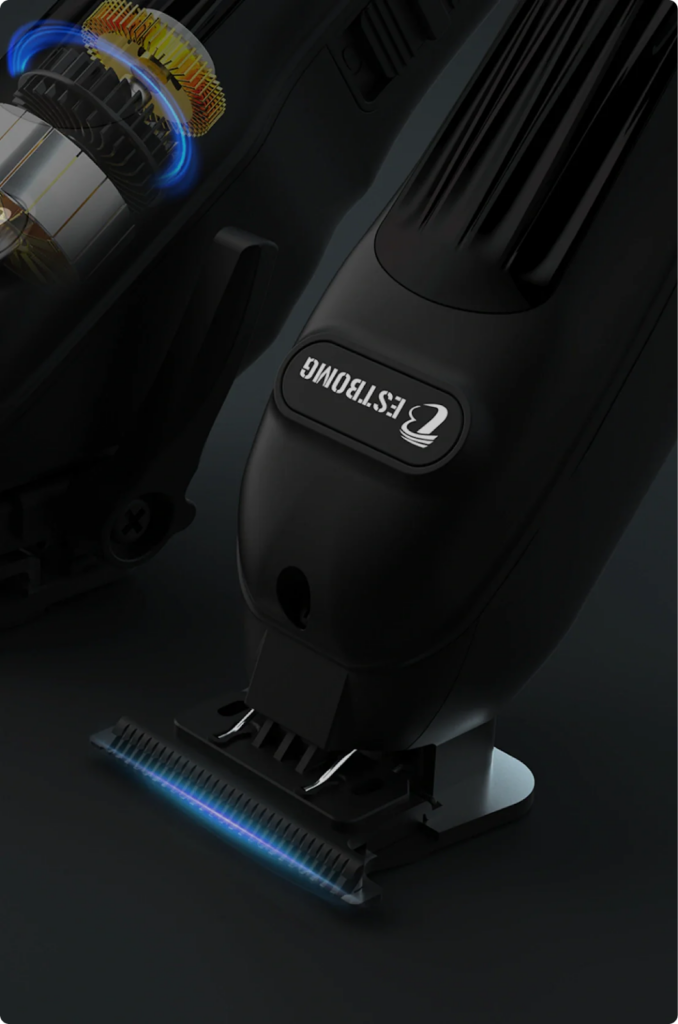
Modern clippers such as Bestbomg’s Dual-Blade Hair Clippers-Y4 use 7000 RPM brushless motors, engineered to maintain constant torque even on thick hair. This mimics AI-style adjustment sensing resistance and balancing power for consistent cuts.
Precision Memory in Adjustable Blades
Some next-generation trimmers “remember” preferred cutting settings or lengths from your last session. When integrated with companion apps, they can log your preferred fade pattern, helping recreate results with precision.
Sensor-Driven Safety
AI-inspired sensors detect angle shifts and overheating, ensuring both comfort and blade longevity. It’s a subtle step toward intelligent self-regulation what engineers call predictive adaptation.
While not full artificial intelligence, these advancements form the groundwork for future smart grooming systems.
The Dream of the Fully Automated Barber
Tech startups worldwide are already experimenting with robotic grooming systems. These prototypes combine mechanical precision with AI-based vision software to scan head shape, hair thickness, and desired styles.
In theory, the “AI barber” would:
- Use a 3D scan of your head and hair pattern.
- Generate a cutting path optimized for even distribution.
- Adjust motor speed in real time.
- Execute a custom haircut with near-surgical precision.
However, despite rapid progress, real-world application is still years away. The main challenges include:
- Human variability: Hair texture and growth patterns change daily.
- Safety concerns: A robotic arm working near ears and neck needs near-perfect calibration.
- Aesthetic judgment: Style remains partly emotional something algorithms can’t yet replicate.
For now, AI’s role is to assist, not replace, human creativity. Tools like Bestbomg’s clippers show how technology can enhance skill rather than automate it entirely.
From the Barbershop to the Bathroom: AI’s Home Impact
The COVID-19 lockdowns accelerated a huge shift toward DIY grooming. As men learned to cut their own hair, manufacturers responded with smarter, safer, and more intuitive products.
Today’s top home clippers borrow professional-grade design principles:
- Cordless convenience with long battery life (Bestbomg’s Y4 runs up to 220 minutes).
- Lightweight, ergonomic handling for self-cuts.
- Quiet brushless motors to reduce noise and stress.
- Multiple guide combs for versatile control.
Pairing these with emerging AI tools like mobile haircut assistants transforms a home bathroom into a connected grooming hub. The technology acts as your silent coach, while Bestbomg tools provide the precision hardware to make it happen.
Can AI Really Replace the Human Touch?
Barbering is more than cutting hair; it’s artistry, conversation, and human connection. While AI can map face shapes or suggest ideal styles, it can’t replace instinct or emotional nuance.
Here’s what professionals still bring that machines can’t:
- Creative intuition: Barbers sense style trends and adapt them to individual personality.
- Human reassurance: The personal touch calms clients and builds trust.
- Customization in context: Humans read expressions, posture, and tone something algorithms struggle to interpret.
So even as smart technology grows, barbers won’t vanish. Instead, they’ll evolve using AI as an assistant, not a competitor.
The Hybrid Future: Human Skill + Machine Precision
The most realistic future of grooming is collaboration, not competition.
Imagine walking into a barbershop where the mirror instantly maps your face, suggesting three haircut options that best fit your bone structure. Your barber reviews them, adds a personal twist, and uses intelligent clippers that auto-adjust blade angles based on hair density.
At home, you’ll see the same synergy: apps guide you, clippers execute with stability, and users feel empowered to maintain professional results between appointments.
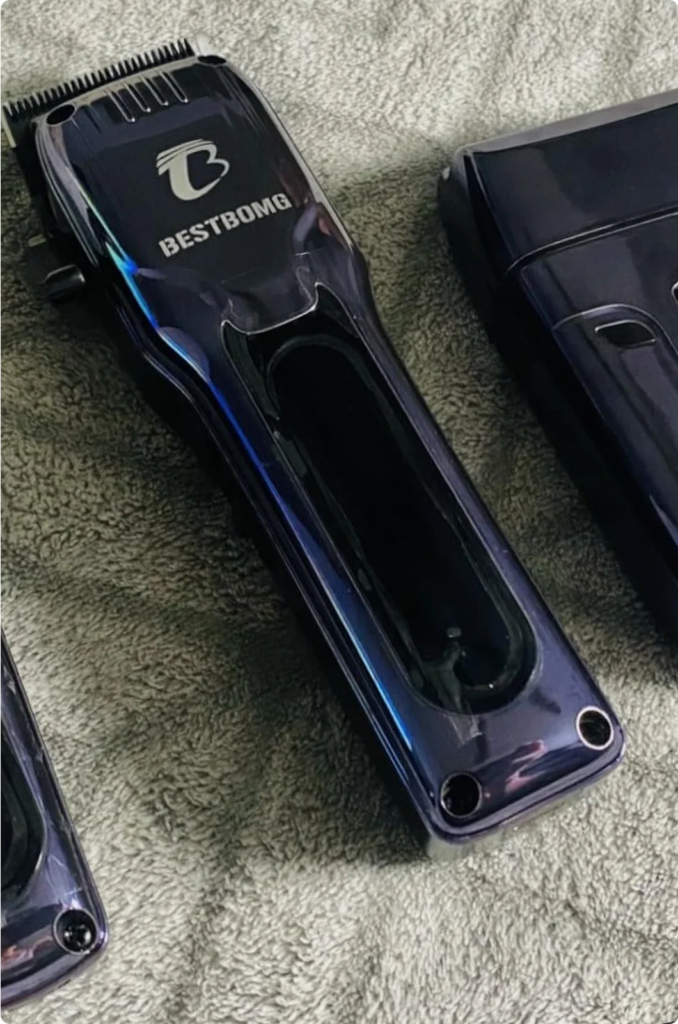
Bestbomg’s professional-grade design already anticipates this hybrid future. Its stainless-steel dual blades, patented skull engraving for grip, and quiet 7000 RPM motor reflect the intersection of craftsmanship and tech innovation.
AI Grooming Apps You Might See Soon
While many are still in beta, several tech companies are developing AI grooming applications that could integrate with hardware like Bestbomg’s clippers:
- Face-mapping assistants: Use your phone camera to scan your features and generate tailored beard or haircut guides.
- Virtual haircut simulators: Let you “try on” styles before committing similar to augmented reality filters.
- Maintenance trackers: Log your haircut frequency, blade condition, and reminders for oiling or cleaning.
- Machine learning style advisors: Analyze global trends to recommend styles that fit your preferences and regional aesthetics.
Together, these tools make self-grooming smarter and more consistent a big leap from traditional trial-and-error haircuts.
Privacy and Ethics: The Hidden Challenge
As AI integrates into personal grooming, data ethics become crucial. Smart mirrors and apps collect sensitive visual data your face, expressions, and even voice commands.
Responsible manufacturers focus on local data processing (within the device) rather than cloud storage, minimizing privacy risks. Trusted hardware brands like Bestbomg focus on mechanical precision without data collection, ensuring users get smart performance without surveillance concerns.
For the AI barber future to succeed, transparency and data safety must evolve alongside technology.
What This Means for Everyday Users
For the average user, AI isn’t about futuristic robots it’s about simplicity and confidence.
- Shorter learning curve: Guided digital tutorials replace confusing manuals.
- Consistent results: Sensors and apps help maintain even lengths and symmetry.
- Reduced cost: With smart home grooming, you can achieve barbershop-level results at home.
- Sustainability: Durable cordless tools reduce disposable waste from razors and single-use devices.
The smart grooming revolution isn’t about replacing professionals it’s about empowering everyone to care for their appearance safely, efficiently, and creatively.
Bestbomg’s Role in the Smart Grooming Era
As AI reshapes the industry, Bestbomg continues to stand out for combining technology with timeless precision. Its professional hair clippers embody the principles that future smart tools will refine further:
- Powerful 7000 RPM brushless motor for consistent torque.
- Durable stainless-steel blades engineered for accuracy and longevity.
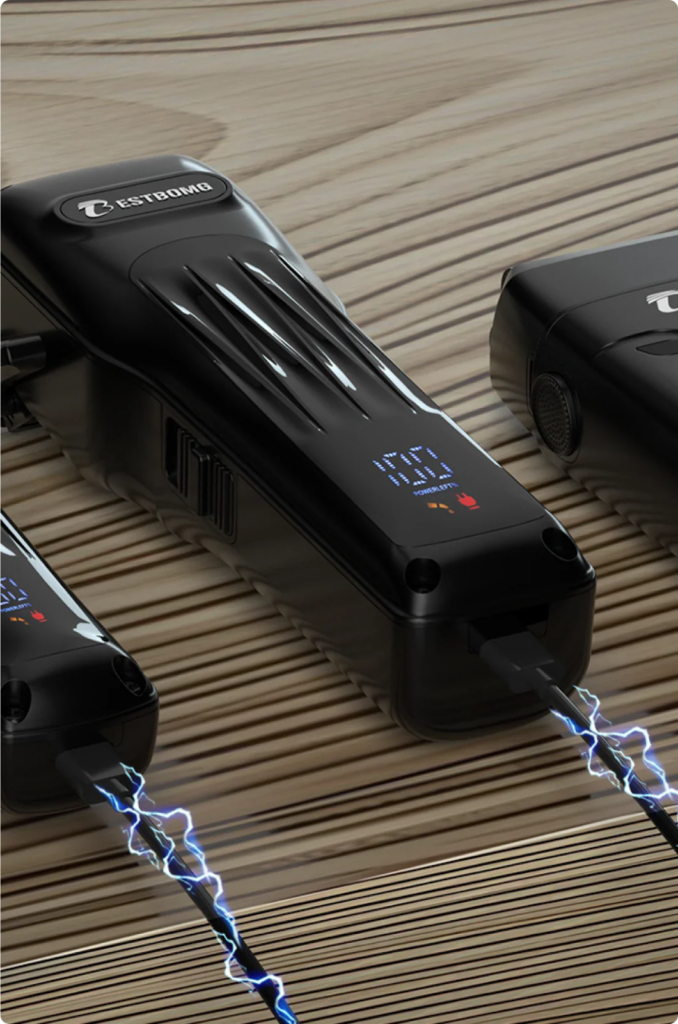
- Cordless operation with 220-minute runtime for uninterrupted grooming.
- Ergonomic comfort and patented 3D engraving for secure handling.
- Quiet performance ideal for home or professional settings.
These aren’t experimental features they’re reliable, accessible technologies that prove innovation doesn’t need to sacrifice practicality. Bestbomg bridges the gap between smart efficiency and human craftsmanship.
The Road Ahead: What’s Next for the AI Barber
Looking forward, expect AI-powered grooming to expand into three key areas:
- Personalized hair diagnostics: AI will assess scalp health, growth patterns, and hydration to suggest customized care routines.
- Voice-controlled grooming: Integration with digital assistants (“Alexa, start trimming session”) could become common.
- Predictive maintenance: Smart clippers will monitor blade wear and battery efficiency, notifying you when replacements or cleanings are due.
In a few years, your clipper may not just cut hair it could talk to you, reminding you of your preferred settings or suggesting seasonal style updates.
But even in this connected future, the foundation remains the same: powerful, reliable hardware designed to deliver professional results. That’s what Bestbomg perfects today.
Final Thoughts
AI might analyze, calculate, and recommend, but grooming will always remain personal. It’s about confidence, comfort, and self-expression values no machine can replicate.
The “AI barber” isn’t a replacement; it’s an evolution. It’s about blending human creativity with digital precision to achieve effortless style.
And while algorithms might someday guide our trims, the artistry will always come from the hands and tools that make it happen.
With Bestbomg, the future of grooming is already here: professional quality, intelligent design,
