
Diaphragm pumps are among the most versatile and reliable pumping solutions available today. Whether you’re in manufacturing, wastewater treatment, food processing, or chemical handling, understanding how these pumps work—and why they might be the best choice for your application—can save you time, money, and operational headaches.
This post will explore eight key things you should know about diaphragm pumps, from their unique operating principles to their maintenance advantages. By the end, you’ll have a clear picture of why they’re trusted in so many industries.
1. They Operate without Internal Lubrication
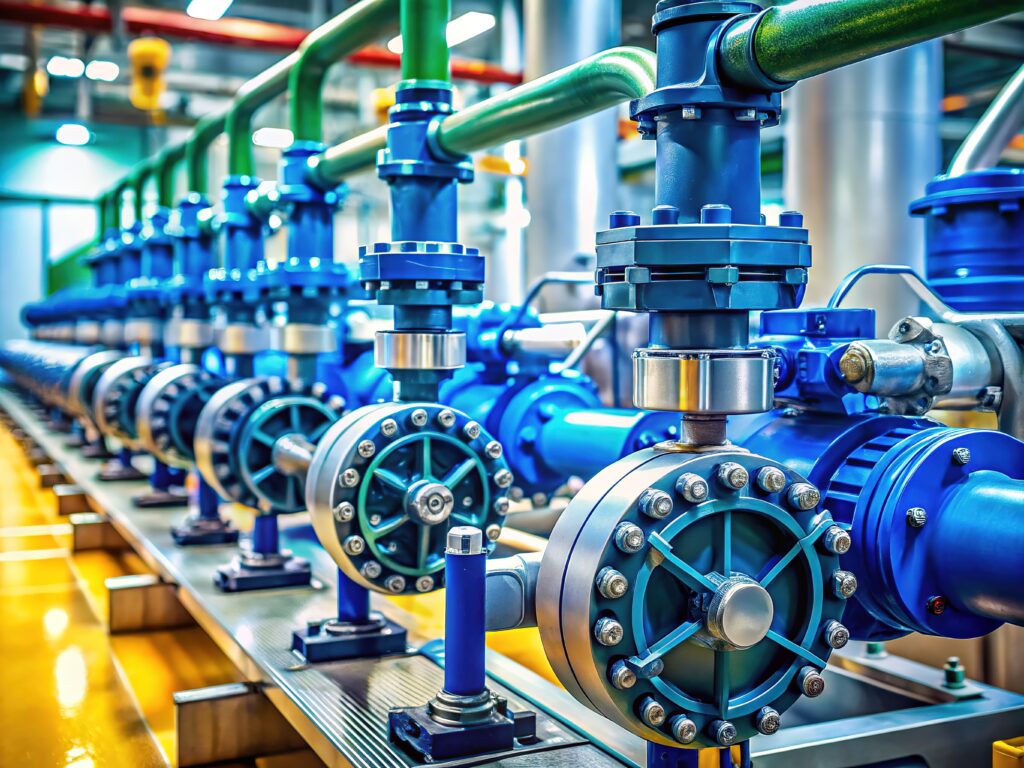
One of the biggest advantages of diaphragm pumps is that they don’t require internal lubrication.
Traditional pumps, like gear or rotary vane pumps, rely on oils or greases to keep moving parts functioning smoothly. But in diaphragm pumps, the fluid is entirely separated from the mechanical components. This makes them ideal for:
- Food and beverage processing because there’s no risk of oil contamination;
- Pharmaceutical production because using it meets strict hygiene standards; and
- Chemical transfer for there’s no lubricant breakdown from aggressive fluids.
Want to find out more about how diaphragm pumps show off their prowess? You can go to useful resources like knf.com/en/global and other sites similar to it.
2. They Handle Abrasive, Viscous, and Shear-Sensitive Fluids
Not all pumps can move thick slurries, abrasive particles, or delicate fluids without damage. Diaphragm pumps excel here because of a number of reasons.
First, diaphragm pumps have no internal impellers or gears; this means no grinding or clogging. Aside from that, their gentle pumping action prevents emulsification or shear damage (critical for paints, adhesives, and some food products). Finally, their large valve openings allow solids to pass through easily.
Industries like mining, ceramics, and wastewater treatment rely on diaphragm pumps to move challenging media without constant wear and tear.
3. They are Self-Priming and Can Run Dry
Few pumps can match the self-priming capability of diaphragm pumps. They can lift liquids from several feet below the pump level without manual priming—a huge advantage in applications such as tank emptying, remote fluid transfer, as well as emergency dewatering.
Even better, if the fluid runs out, most diaphragm pumps can handle dry running for short periods without immediate damage. Nonetheless, prolonged dry operation should still be avoided to extend diaphragm life.
4. They Offer Precise Flow Control
Need consistent, adjustable flow rates? Diaphragm pumps deliver top performance.
Air-operated (AODD) pumps let you control flow by adjusting air pressure. On the other hand, electric models allow speed adjustments via stroke rate changes.
This precision makes them perfect for the following functions: dosing chemicals in water treatment, filling bottles in packaging lines, metering adhesives in manufacturing, and so on.
5. They Come in Two Main Types: Air-Operated and Electric
There are two kinds of diaphragm pumps: AODD and electric pumps.
AODD pumps’ pros include the following: they don’t need electricity to run, they’re explosion-proof, and they can handle solids and viscous fluids. The following are their cons: they require compressed air and they can be less energy-efficient.
Electric diaphragm pumps have these advantages: they’re more energy-efficient and are better for continuous operation. Their disadvantages are these: they’re not ideal for explosive environments, they may have higher upfront costs, and so on.
Which one should you choose?
If safety in hazardous areas is a priority, go with AODD. Meanwhile, if you need constant operation with lower energy costs, electric pumps may be better.
6. They are Built for Harsh Environments
Diaphragm pumps are tough. Many models feature:
- Stainless steel, polypropylene, or other materials that resist corrosion and chemical exposure;
- Sealed designs that prevent leaks even under pressure;
- Ability to handle extreme temperatures; and the like.
The abovementioned features make diaphragm pumps a top choice for harsh environments like oil and gas extraction, wastewater treatment management, along with industrial-scale chemical processing.
7. They Minimize Contamination Risks
In industries where purity matters for public image and branding as well as compliance, diaphragm pumps shine because of the the reasons below.
First, the fluid only contacts the diaphragm and valves—no gears, seals, or lubricants to introduce contaminants. Next, diaphragm pumps are easy to clean and sterilize. Lastly, there are no dead zones where bacteria or particles can accumulate.
With that being said, diaphragm pumps have been an indispensable tool for biotech labs handling sensitive cell cultures, dairy and brewing facilities, and the medical device manufacturing sector.
8. They are Surprisingly Low-Maintenance
Compared to centrifugal or piston pumps, diaphragm pumps require very little maintenance. How’s that possible? They have fewer moving parts (meaning: there are fewer failure points). Aside from that, they have simple valve and diaphragm replacements that don’t need specialized tools.
Diaphragm pumps have long service intervals with proper care. You only need to inspect diaphragms regularly, check valves for debris, and use compatible materials during usage (e.g., PTFE diaphragms for aggressive chemicals).
With minimal upkeep, a diaphragm pump can last years—even in demanding conditions.
Final Words
Diaphragm pumps aren’t just another piece of equipment—they’re problem-solvers. Whether you need to move thick sludge, maintain sterile conditions, or work in explosive environments, there’s likely a diaphragm pump that fits your needs.
If you’re still using outdated pump technology, it might be time to consider switching. The right diaphragm pump can boost efficiency, cut downtime, and save you money in the long run.
